Environmental stress in the Anthropocene: How the new extremes can affect cell and organismal processes

Organisms are generally equipped to adapting to extreme environmental conditions. The increasingly rapid changes in the Anthropocene are now presenting animals, including humans, with completely new challenges. These also affects physiological processes – from the cellular, tissue level to the entire organism – that can lead to long-lasting effects across organisms´ lifespan. In our latest OA review paper, we identified some critical environmental factors responsible of such changes, and advocate a holistic approach to tackle these new research challenges in line with the contemporary One Health framework.

Conventional physiological research focuses on investigating the endogenous mechanisms underlying species’ adaptations to life in extreme habitats such as polar regions or deserts. Here, we argue that nowadays even habitats that are not considered extreme are exposed to unpredictable, rapid and strong (climate) changes due to human activities (and also independently of them) – which confronts all animals, including our species, with new types of environmental extremes.

We explore how ecophysiological research within the field of stress physiology and developmental plasticity can contribute to gain a better understanding of the mechanisms underlying resilience and adaptability. We focused on physiological stress responses (glucocorticoids and oxidative stress) that are likely to have a key role in mediating the interactions between the exposome – i.e. the measure of all environmental influences to which an individual is exposed to throughout the course of its life – and the bio-exposome – i.e. the cellular processes in connection with relevant extreme anthropogenic changes. We focused on changes in habitat conditions associated with heat waves, water shortage, light pollution, noise, land-use, chemical pollution and reduced natural food resources.

The Vetmeduni PR on our latest article is available both in German and in English. We are much grateful to the PR team at Vetmeduni for helping us to communicate our work to broader audiences and contribute to our #OutreachMission #OpenScience.

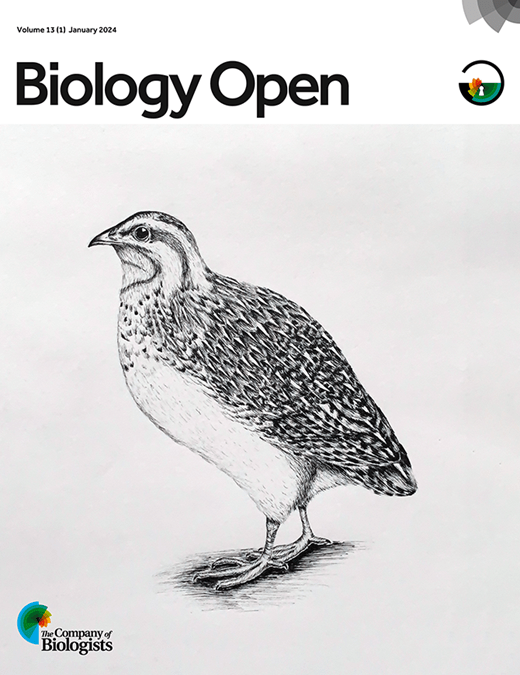
In preparation for migration, birds accumulate fat stores and modulate their innate immune functions, our latest research suggest

In preparation for migration, common quail accumulate fat stores and modulate their innate immune functions. They increase their immunity midway through the fattening process. Individuals that accumulate less fat maintain a higher immune response, suggesting a competitive relationship between these processes, explored in the paper by Marcin Tobolka and colleagues. Image credit: Zuzanna Zielinska. Creative Commons Attribution 4.0 International license.

During their migrations, migratory birds are exposed to numerous pathogens. A functioning immune system is therefore crucial when flying into new environments. However, immunity is energetically costly and competes with other important physiological processes. In our latest work, we examined the extent to which fattening before bird migration influences innate immunity using the common quail as our study species.

While many studies showed that the immunity of birds is often weakened during their strenuous migratory flights, it remains little understood if and how immunity changes during the rapid accumulation of energy stores in preparation for migration. To fill this knowledge gap, we induced pre-migratory fattening through controlled changes in daylight and regularly examined changes in three markers of innate immunity – leukocyte coping capacity (LCC), hemagglutination and hemolysis titers. In addition, body composition, namely lean mass and fat mass, was measured.

We found that all three markers showed similar changes during pre-migratory fattening. The LCC responses, hemagglutination and hemolysis titers were on average higher in the middle fattening phase than in the high fattening phase, here the values ​​were similarly high as before the start of pre-migratory fattening. In the middle phase of fattening, we found that the birds that had a higher fat content had lower peak LCC values ​​and hemolysis titers. Conversely, at this time of fattening, the birds with a higher proportion of lean mass had the highest peak LCC values. We proposed that these results could be due to competing or opposing processes between metabolic remodeling and the function of the innate immune system.

These three immune indicators are integral parts of the innate immune system, which acts quickly and effectively against a wide range of pathogens, even without prior exposure. This aspect is crucial in the context of animal migration, as the ability to respond quickly to various threats is crucial for fitness. For the future, we hope that our work will encourage further studies to obtain detailed information about the remodelling of the immune system during the most energetically demanding phases in the life cycle of migratory birds.

Our article “Controlled expression of avian pre-migratory fattening influences indices of innate immunity” by Marcin Tobolka, Zuzanna Zielińska, Leonida Fusani, Nikolaus Huber, Ivan Maggini, Gianni Pola, Valeria Marasco Biol Open 15 January 2024; 13 (1): bio060018. doi: https://doi.org/10.1242/bio.060018 is freely accessible and open access.

We are massively grateful to the PR team at Vetmeduni for helping us to communicate our work to broader audiences: https://www.vetmeduni.ac.at/klivv/ueber-uns/aktuelles